The cart is empty
FREE SHIPPING IN ITALY for a purchase over €500, excluding islands, disadvantaged areas and ZTL (See Terms)



Stools are versatile furniture pieces that combine functionality and design, perfect for modern kitchens, bar counters, and convivial spaces. One of the most important aspects when choosing is the seat height, which must be proportional to the countertop to ensure comfort and visual balance.
Knowing the different sizes available and the practical rules for matching them to countertops in the kitchen or bar helps avoid mistakes and ensures you choose the model that best suits your needs.
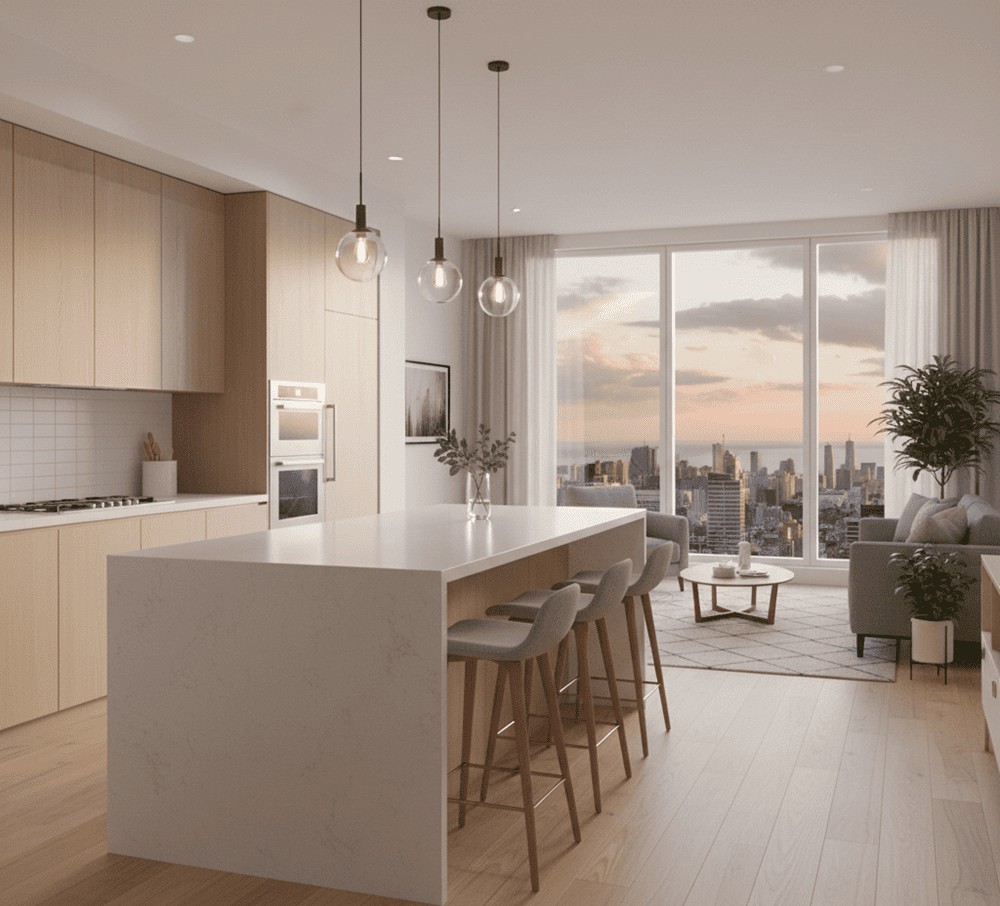
The height of kitchen stools mainly depends on the snack table or island countertop. In general, the ideal distance between the seat and the countertop is between 25 and 30 cm, ensuring a comfortable posture.
📐 For kitchen counters around 90 cm high, the most suitable option is stools with a 65 cm seat. This height allows you to sit comfortably without being too low or too high compared to the work surface.
For modern kitchens with peninsulas slightly lower (around 85 cm), stools with a 60 cm seat may be more appropriate, while for higher countertops, adjustable solutions are recommended.
Bar stools require different sizes compared to kitchen stools, as counters usually measure between 105 and 110 cm in height. In this case, the ideal choice is stools with a 75 or 80 cm seat.
🍸 This proportion ensures proper posture and perfect interaction with the counter without sacrificing comfort. In public venues, where counters can reach 115–120 cm, stools with a 90 cm seat are recommended.
Consistency between countertop and seat not only improves ergonomics but also contributes to a harmonious and proportionate design of the space.
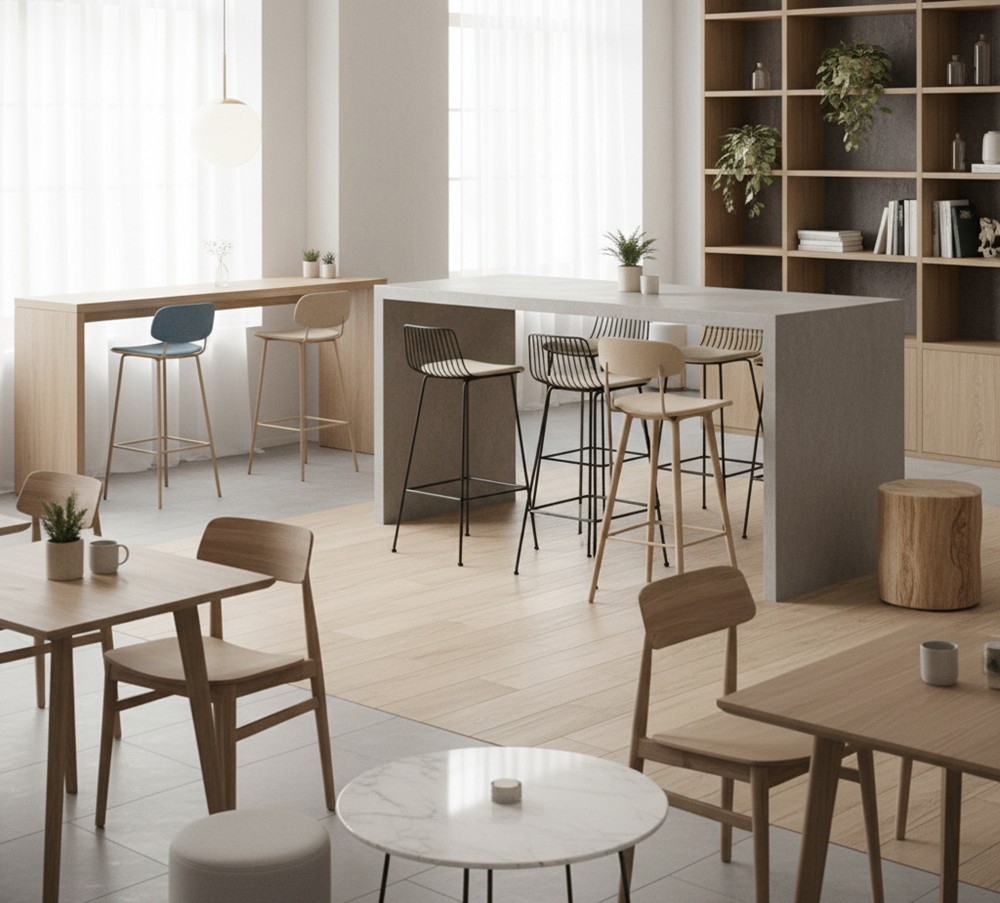
To summarize, the most common stool heights range from 60 to 90 cm. Each option is designed for a specific use:
For those looking for more flexibility, adjustable-height stools are the most versatile solution: one model adapts to multiple configurations, making it useful both at home and in contract spaces.
Choosing the right height is just one part of the process: to properly match stools to countertops, you should also consider other aspects.
💡 Some practical tips:
– Allow at least 60–70 cm of width per seat to ensure freedom of movement.
– Leave a distance of 25–30 cm between seat and countertop, a rule valid for both kitchens and bars.
– Coordinate materials and finishes with the countertop: a wooden counter pairs well with stools featuring natural details, while a steel top matches perfectly with metal structures and minimalist lines.
Attention to proportions and aesthetic details ensures a balanced and functional space.
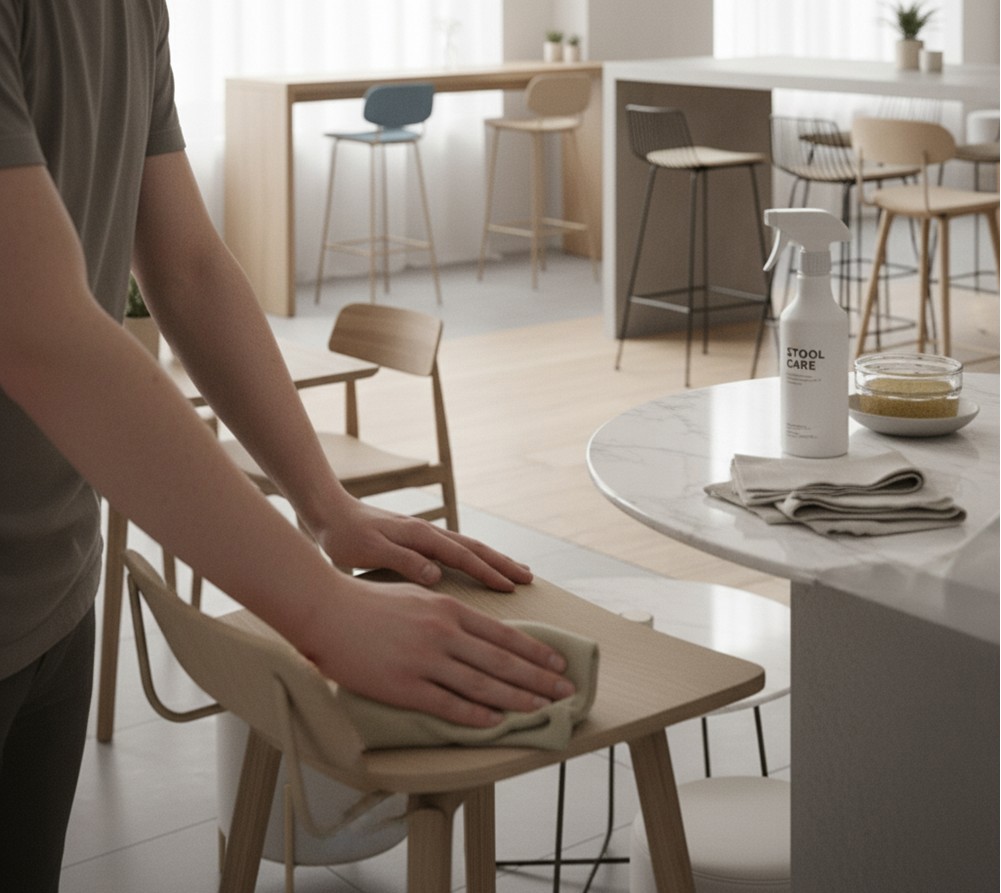
In addition to choosing the right size, it is important to keep stools in good condition over time. The most common materials, such as wood, metal, polypropylene, or polycarbonate, have different cleaning requirements.
🧽 For wood, use soft cloths and nourishing wood products, while for plastic surfaces, warm water and neutral detergent are sufficient. Upholstered fabric seats require regular vacuuming and stain protection treatments, while leather or faux leather can be maintained with gentle cleaners and protective creams.
Consistent maintenance extends the lifespan of stools and preserves their aesthetic value, helping to keep the space welcoming and well cared for.

 +39339.5364494
 +39049.8876293